Concrete parking lot building in Sierra Madre CA - a slab built for what parks on it
If your gravel or cracked lot pools water and breaks up under traffic, we build a concrete slab sized for the vehicles that use it.
What goes into building a concrete parking lot in Sierra Madre?
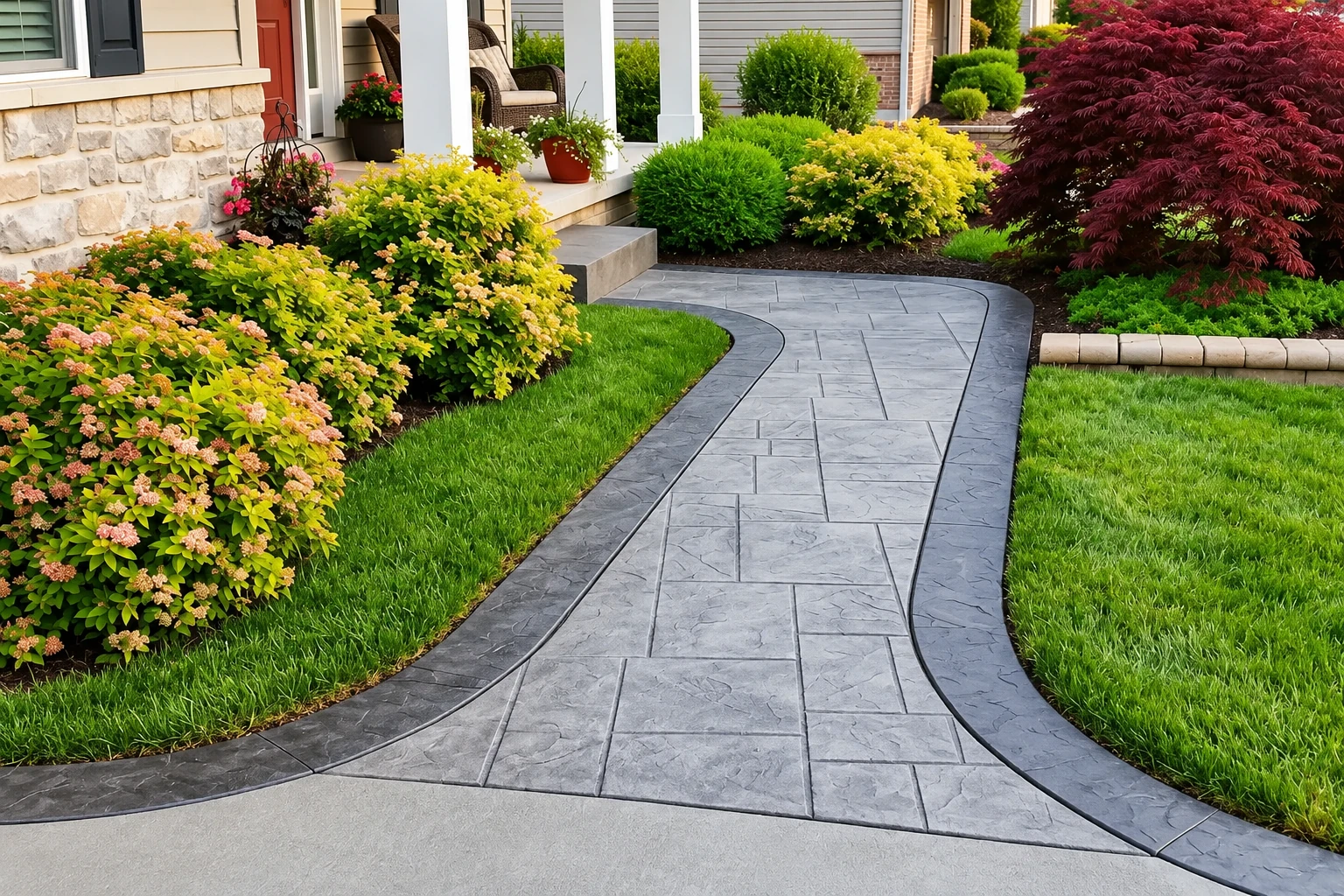
Building a concrete parking lot in Sierra Madre means preparing the subgrade, the soil the slab sits on, then forming, pouring and finishing a concrete slab made for the cars, vans or trucks that will use it.
Maybe you've got a gravel lot that ruts out and turns to mud, or an old slab behind a building that's cracked and holding puddles. The price comes down to the lot's size, how thick the slab needs to be for what parks on it, how much ground has to be dug out or replaced, and whether the job reaches the street. The schedule turns on the city's permits, the weather and the curing, which is the wait while new concrete gains strength before anyone drives on it, and the estimate I write on site gives you the figure for your lot. Before work starts, we look into what your job needs from the city or county, and when a permit applies, we handle the application as the licensed contractor and walk you through each step.
How we handle concrete parking lot building
My first question is what will drive and park on the lot, because cars, delivery vans and heavier trucks call for different slabs. Then I walk the lot to see where the water runs, so the finished slab sheds rain away from your buildings instead of toward them. Our crew digs out the subgrade and makes it even and consistent, since industry guidance says a lot doesn't need a special base layer but does need soil of the same type, moisture and density all the way across, so any soft or different patches get replaced with material like the rest and packed down. I learned that on the farm, where a trough pad poured over one soft spot sank right there and nowhere else. After that we set the forms, pour, give the top a broom finish, a light brushed texture so tires and shoes grip in the rain, and cut control joints, shallow grooves that give the slab a planned place to crack instead of a random one. If the budget's tight, I'd rather you spend it on the ground than on a fancy finish, because you can't fix a bad base once it's under the slab, and if cutting down runoff matters to you, we'll talk through pervious concrete, a mix that lets rain soak through.
A lot often comes with work around it. Light poles, a carport or a wall at the edge stand on concrete footings, the deeper pads that carry a load down into the ground, and we pour them so they tie in with the slab. If a garage or building next to the lot has sunk, foundation raising can bring it back to a level the new slab meets cleanly.
Why Sierra Madre property owners call Cornerstone Sierra Madre Concrete for parking lots
I write your estimate myself
I come out myself to walk the lot and write the estimate, and our crew does the work with me on site running it. That means the person who heard what you need is the one watching the ground get dug out and packed.
Licensed and insured for lot work
We're fully licensed and insured, and California's contractors board describes a concrete contractor as one who forms, pours, places and finishes pavement and flat concrete work, which is what a parking lot is. Sierra Madre issues its Building & Safety permits only to a state-licensed contractor or the property owner, so it's worth asking anyone you talk to who'll apply for them.
Oaks and sycamores checked first
Coast live oaks, western sycamores and all parkway trees are protected in Sierra Madre, and site work that means significant pruning or removing one needs a Tree Removal/Pruning permit from the city. I look for those trees on my first visit, so the dig and the slab's edge get planned around them before anything's ordered.
We explain the slab as we go
I'll show you where the water runs, why the ground gets dug out and where the joints go, so you understand your own lot well enough to look after it and ask good questions of anyone, us included. We've worked that way since starting the business in 2020, and it's what most people who call us are looking for.
On a parking lot, the part that matters most is the ground under the slab and a slab sized for what parks there. Tell us about your lot with its size, what will drive on it, whether the work reaches the street and any oaks or sycamores nearby, or call (626) 828-0332, and I'll come out and take a look.
Get a free on-site estimate for your parking lot
We'll get back to you within one business day to set a time for me to come see the lot. I'll walk it with you, ask what will park there and write the estimate on site. It's free and comes with no obligation.
Examples of concrete parking slabs
Questions before you build a concrete lot
What does a concrete parking lot cost in Sierra Madre?
Across the US, commercial concrete flatwork such as parking lots usually costs about $6 to $14 per square foot, and that's a national market figure, not our price. Where your lot lands depends on its size, the slab your vehicles call for, how much ground has to be dug out and replaced, and any permits or street work. I'll give you the figure for your lot once I've seen it.
Do I need a permit from Sierra Madre to build a concrete parking lot?
Often, yes, because the city requires a Grading, Drainage and LID Permit when a project adds more than 500 square feet of impervious surface, the hard ground rain can't soak through. Grading and drainage permits are also generally needed for digging 2 feet or more, and filling or reshaping a slope may need one too. Work that touches the street, sidewalk, curb, gutter or parkway generally needs Public Works review and may need an Excavation & Encroachment Permit, and we sort all of this out before we start.
How thick should a concrete parking lot slab be?
The thickness should match the vehicles using the lot, the soil under it and the strength of the concrete, so one number doesn't fit every lot. Industry guidance says plain concrete with no reinforcement is usually fine for passenger cars and pickups only, so once vans or heavier trucks are in the picture, the design has to account for them, whether that's a thicker slab or rebar, the steel bars that help hold a slab together.
How do I cut down runoff from a concrete parking lot?
Pervious concrete is the usual answer, since it reduces stormwater runoff and improves the quality of the water that does run off. It may also help recharge groundwater and can keep the lot from adding as much heat to the area around it. If that matters to you, bring it up at the estimate and we'll go over whether it suits your lot.
What hours can concrete crews work in Sierra Madre?
The city's Building and Safety page lists construction hours of 7 a.m. to 7 p.m. Monday through Saturday, and 10 a.m. to 6 p.m. on Sundays and holidays. We plan the pour inside those hours, and early in the day when we can, because concrete placed in midday heat can end up with a weak, dusty top.
How do I take care of a new concrete parking lot?
On a lightly used lot, the main upkeep concern is usually the concrete's durability, since it faces fuel and oil leaked from vehicles plus the weather, according to one older industry guide. When the job's done, I'll walk you through what to look for on your lot, and our promise is satisfaction guaranteed on every job.
Related concrete work
- Concrete footings
Anything standing on the lot, from a sign post to a gate or a covered stall, needs its own footing so it holds steady while traffic moves around it.
- Foundation raising
When a building beside the lot has settled and its doorway no longer meets the pavement cleanly, raising it can line the two up again.